
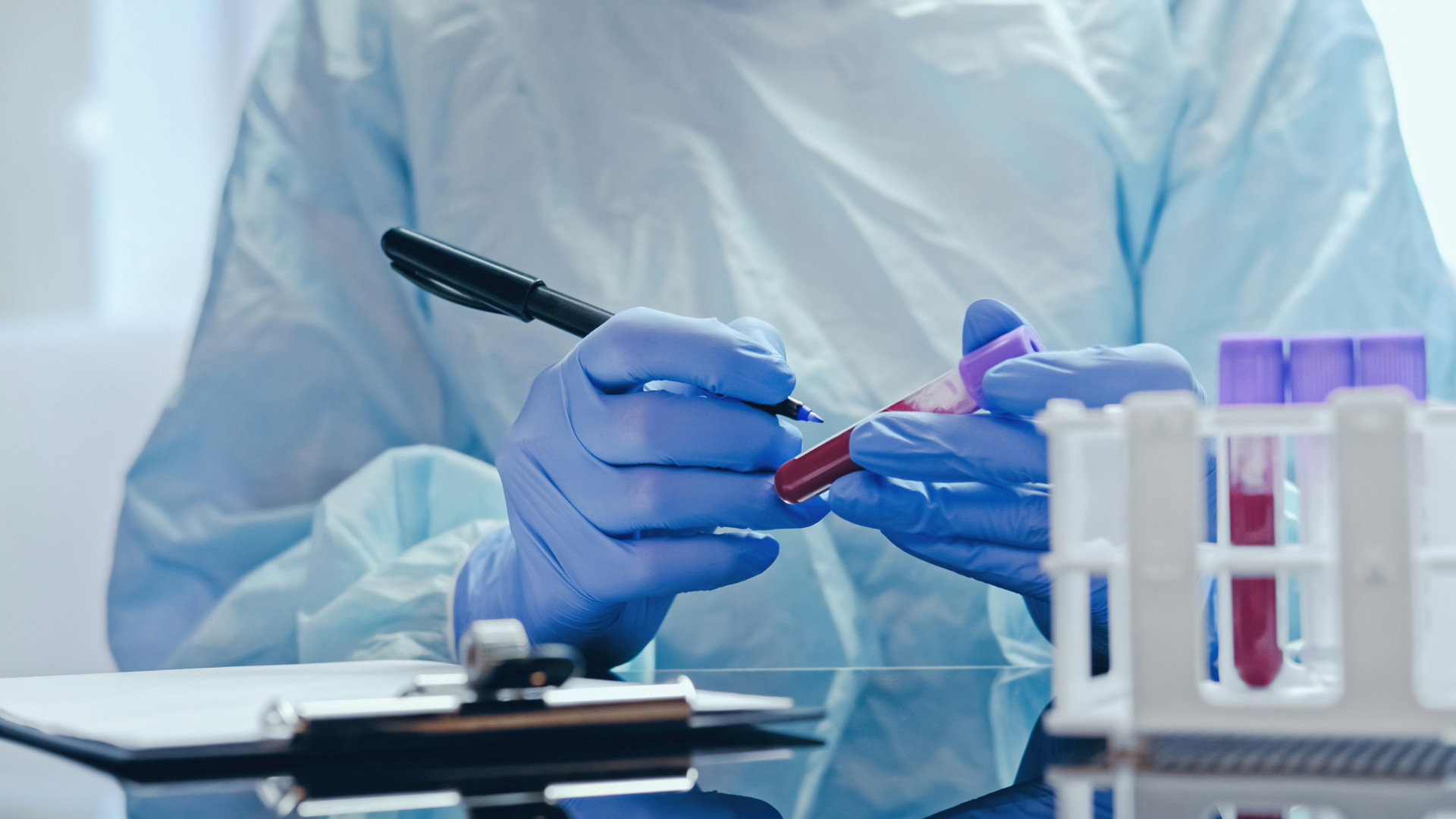
Summary: Catecholamine testing for cardiovascular assessment helps your laboratory investigate biochemical activity linked to blood pressure, heart rate, vascular tone, and the body’s stress response. Your results depend not only on the assay itself but also on sample handling, collection conditions, reference intervals, and careful interpretation. If your laboratory needs specialized biogenic amine testing products and responsive technical support, Rocky Mountain Diagnostics can help you identify assay options that fit your testing needs.
Why Catecholamines Matter to Cardiovascular Assessment
When you investigate unusual changes in blood pressure, heart rate, or sympathetic nervous system activity, catecholamines provide part of the biochemical picture. Epinephrine and norepinephrine help regulate the body’s stress response and influence cardiovascular functions such as heart rate, cardiac output, blood vessel tone, and blood pressure. Norepinephrine can increase vascular resistance, while epinephrine can affect heart rate and cardiac contractility through adrenergic receptors. Catecholamines' actions in the body make them clinically and scientifically relevant.
One thing to note is that catecholamines are not static biomarkers. Levels can change with posture, physical activity, stress, collection conditions, medications, and other physiological influences, so a number by itself doesn't tell the whole story. Thoughtful sample collection and an appropriate assay yield results you can use with confidence.
Read Also: Dopamine Measurement: Clinical and Research Applications
Where Catecholamine Testing for Cardiovascular Assessment Fits
Catecholamine testing for cardiovascular abnormalities may be considered when your laboratory is supporting investigations involving excessive sympathetic activity, endocrine conditions, or catecholamine-producing tumors. Pheochromocytomas and paragangliomas, for example, can release excessive catecholamines and may be associated with hypertension, palpitations, headaches, sweating, and other symptoms. Excess catecholamine activity can significantly stress the cardiovascular system because these compounds affect both cardiac function and vascular tone.
At the same time, don't treat direct catecholamine measurement as interchangeable with every related biochemical test. For suspected pheochromocytoma or paraganglioma, current endocrine recommendations emphasize plasma free metanephrines or urinary fractionated metanephrines because these metabolites can provide more effective biochemical detection. Catecholamine testing may still provide useful information in clinical or research settings, but the assay should match the question being asked. Your laboratory’s role is to support that question with validated methods, appropriate specimen handling, and clearly defined analytical performance.
What Your Laboratory Is Measuring
Epinephrine and norepinephrine are metabolized into compounds including metanephrine and normetanephrine, and these metabolites are especially important when laboratories evaluate suspected catecholamine-producing tumors. Unlike catecholamines, which may be released episodically, their metabolites can provide a more consistent biochemical signal in certain diagnostic situations.

Why Preanalytical Factors Can Change Your Results
A technically sound assay cannot correct for a poor specimen. When performing catecholamine testing for cardiovascular applications, consider how the sample was collected, how quickly it was processed, the conditions surrounding collection and whether the laboratory followed the method's requirements. Physical activity, emotional stress, and posture can influence sympathetic activity, so seemingly small differences in collection conditions may produce meaningful differences in measured concentrations.
For certain plasma metanephrine testing protocols, appropriate preanalytical precautions, such as supine collection, can reduce false positives and improve interpretation. Your laboratory should therefore treat collection instructions as part of the analytical process rather than as an administrative detail. With a supplier like Rocky Mountain Diagnostics, which provides clear documentation and responsive technical support, your team has another resource when questions arise.
The Cost of Using the Wrong Laboratory Partner
Your laboratory may already work with large diagnostic suppliers that carry thousands of products, but size does not automatically mean specialization. When you need a less common assay, the real difficulty often begins after you place the order, when you have a technical question about the product, its application, or troubleshooting.
Waiting days for an answer can delay validation work, interrupt a research schedule, or make an already complicated testing issue harder to resolve. Your purchasing decision therefore affects much more than the price printed on a kit. You need reliable products, useful technical documentation, predictable access, and support from people who understand biogenic amine testing.
Related: Troubleshooting ELISA Kit Issues in Your Lab
What to Look for When Selecting an Assay Supplier
You should start with quality. Your laboratory needs assays supported by appropriate quality systems, consistent manufacturing, and documentation that lets your team understand how a product should be used. You should also evaluate technical support before there is a problem because troubleshooting can cost you valuable time. A strong supplier relationship should help simplify your workflow rather than create another obstacle.
You should also look at specialization. If catecholamines, neurotransmitters, hormones, or other biogenic amines are important to your work, partnering with a company like Rocky Mountain Diagnostics can make it easier to find products suited to uncommon applications. You gain access to a team that routinely handles these assay categories, rather than treating them as a small corner of a massive product portfolio.
How Rocky Mountain Diagnostics Supports Specialized Laboratories
Rocky Mountain Diagnostics is based in Colorado Springs and supplies diagnostic testing kits to laboratories throughout the United States and Canada. RMD focuses on specialized testing, including biogenic amines, rather than trying to be a one-stop source for every laboratory product available. Whether you manage a clinical laboratory, direct a research program, or purchase products for an institutional lab, you can work with a company built around specialized testing needs.
You also receive support from a company directly connected to its European manufacturing partner, Labor Diagnostika Nord. For your laboratory, that can mean less time trying to reach someone who understands the product and more time moving your testing or research forward. RMD supplies the laboratory tools you need, so you can perform testing and apply results quickly.

Choose RMD for Catecholamine Testing for Cardiovascular Applications
When your laboratory needs catecholamine testing for cardiovascular research or diagnostic applications, you need specialized assay options, dependable quality, clear product information, and technical support you can reach when questions arise. At Rocky Mountain Diagnostics, we combine direct manufacturer connections and responsive service for laboratories across the United States and Canada.
Don't let a hard-to-source assay or slow technical response hold up your testing program. Reach out to Rocky Mountain Diagnostics today to discuss your catecholamine or related biogenic amine testing requirements, request product information, and determine which available assay options best fit your laboratory’s application.
Frequently Asked Questions: Catecholamine Testing for Cardiovascular
What is catecholamine testing for cardiovascular assessment used for?
Catecholamine testing for cardiovascular assessment measures compounds such as epinephrine, norepinephrine, or dopamine when those biomarkers are relevant to a clinical or research question. Because catecholamines affect heart rate, vascular tone, cardiac output, and blood pressure, abnormal production or regulation can affect the cardiovascular system. The appropriate analyte and method depend on the investigation's purpose.
Are catecholamine tests the same as metanephrine tests?
No. Catecholamines are active chemical messengers, while metanephrine and normetanephrine are metabolites produced as those catecholamines are broken down. For biochemical evaluation of suspected pheochromocytoma or paraganglioma, current recommendations generally favor plasma free or urinary fractionated metanephrines rather than direct catecholamine measurement alone.
Where can my laboratory source specialized catecholamine assays?
If your clinical or research laboratory needs specialized biogenic amine testing products, Rocky Mountain Diagnostics serves laboratories throughout the United States and Canada from its Colorado Springs base. RMD focuses on specialized assays and responsive technical support rather than operating as a broad general-product supplier. Reach out to Rocky Mountain Diagnostics today to discuss your testing requirements and request a quote or consultation.